
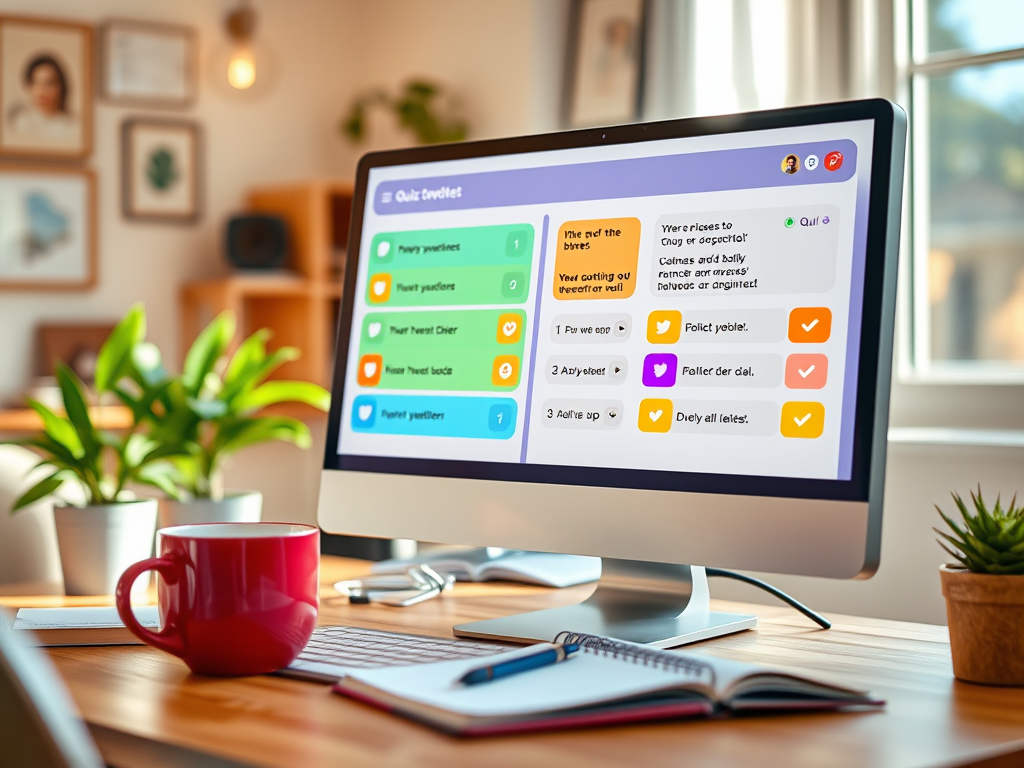
1. Title
You won’t do it anyway, so I’m revealing how to Launch an AI-Generated Weekly Quiz Newsletter (Trivia or Niche)
2. Introduction
Let’s be honest — you’ve probably thought about starting a newsletter before. Maybe even saved a few templates, followed a creator on Twitter who “scaled to $10k MRR,” maybe even signed up for Substack… but you didn’t start.
Why?
Because execution isn’t sexy. Because it feels like another digital project that will die in Google Docs. Because deep down, you don’t believe you’ll be consistent.
And yet — here you are. Reading this.
So let me cut through the noise and show you why an AI-generated quiz newsletter is the most ridiculously easy, sustainable, and underutilized niche project of 2025.
This post isn’t for everyone. But if you:
- Love curiosity
- Want a simple recurring format
- Are tired of writing essays
- Want to grow a niche audience
- Enjoy trivia, puzzles, niche facts
…then this is your launchpad.
You’ll learn how to:
- Use AI to generate weekly quizzes in your niche
- Structure them for virality and engagement
- Set up automations for zero-effort publishing
- Monetize through sponsorships, products, and memberships
No long intros. No fluff. Just one thing:
You won’t do it anyway — but if you did, it could change your life.
3. What This Actually Means
What’s an AI-Generated Quiz Newsletter? It’s a lightweight content format that delivers weekly quizzes (multiple choice, short answer, puzzles) on a consistent topic — powered, assisted, or templated by AI.
Unlike traditional newsletters, it:
- Requires no longform writing
- Feels interactive and fun
- Is highly shareable
- Encourages habitual engagement
- Scales easily with automation
For example:
- “Crypto Clues” — weekly blockchain trivia
- “Startup Stats” — guess the numbers behind unicorns
- “Art Detective” — can you spot the fake?
- “NeuroNerd” — brain teasers for psychology lovers
- “K-Pop Pop Quiz” — fandom-based trivia challenges
Why it works: People love solving things. They love sharing quizzes with friends. They love scoring better than strangers. And most of all — they love content that feels like play.
If normal newsletters feel like homework, quiz newsletters feel like recess.
4. ✅ Step-by-Step Guide to Launching Your Quiz Newsletter
- Pick a Theme or Niche
- Make it specific (not “tech,” but “failed gadgets of the 2000s”)
- Ensure it has repeatable content & growing interest
- Choose a Quiz Format
- 5 multiple-choice questions per week
- Or 3 puzzles + 2 crowd-sourced Qs
- Add a bonus “challenge” section or leaderboard
- Structure Your Email Layout
- Brief intro → Quiz block → CTA → Leaderboard → Share button
- Use color, spacing, and icons for visual appeal
- Use AI to Generate the Weekly Quiz
- Use ChatGPT with prompt templates (e.g., “Give me 5 trivia questions about ancient coins”)
- Train a custom GPT on your niche if needed
- Set Up a Newsletter Platform
- Substack, Beehiiv, ConvertKit
- Pick one with basic analytics + segmentation
- Automate Distribution
- Schedule each issue
- Use Zapier for auto-publishing & backup
- Add a Sharing Mechanism
- “Send this quiz to 3 friends” button
- Incentivize: Unlock bonus questions if shared
- Grow & Monetize
- Accept niche sponsorships (e.g., indie book publisher for lit trivia)
- Launch paid archives or premium weekly rounds
- Offer community perks (e.g., Discord for quiz players)
5. Secrets That Make It Work
✨ Keep the rhythm — pick a day & stick with it. Make it a ritual. ✨ Use humor. Quizzes should feel like a game, not a test. ✨ Personalize intros. Even AI-generated content feels warmer with a 1-sentence human touch. ✨ Don’t over-edit the questions. Slight weirdness = charm. ✨ Add Easter eggs, hidden clues, or callbacks to previous editions. ✨ Track reader scores and display them. Gamify the archive. ✨ Invite readers to submit their own questions (and credit them). ✨ Use AI to remix old quizzes into themed challenges. ✨ Make your share CTA fun: “Prove you’re smarter than your ex.” ✨ Remember: people come for trivia, stay for tone.
Let it feel like play.
Let it feel like you.
Now launch it — or don’t.
But don’t say you didn’t know how.
- Real-Life Examples (EX1–EX20)
EX1: Crypto Clues — Launched by two blockchain geeks who wanted to make crypto education fun. They used AI to generate weekly puzzles about Bitcoin history and Ethereum trivia. Within 4 months, they had 7K subscribers and a partnership with a DeFi platform.
EX2: Plant Parent Puzzles — A botany enthusiast started a quiz newsletter around plant care. Every issue included quirky plant facts, ID games, and seasonal plant care tips. AI helped generate fun questions, and it grew organically through Instagram Reels.
EX3: Indie Lit Trivia — A writer’s group launched a weekly newsletter with obscure literature questions. Readers started contributing questions, and the newsletter became a hub for under-read authors and rare book lovers.
EX4: K-Drama Guess Who? — Created by a K-Drama superfan, the quiz featured cropped screenshots, quote challenges, and trivia about actors. AI helped generate scene-based riddles. It became popular in fan Discords.
EX5: UX Design Decoder — A design firm used quizzes to train junior designers on UI/UX principles. It became an onboarding resource for clients and turned into a revenue-generating side product.
EX6: Music Theory Monday — Every Monday, a jazz pianist sends out a quiz about chords, scales, or music history. AI helps him vary the difficulty. Music schools now recommend it to students.
EX7: Fitness Fact Fridays — A personal trainer wanted to stop sending boring newsletters. Instead, she quizzes clients on muscle groups, nutrition, and myths — all auto-generated via AI.
EX8: AI & Ethics Weekly — Tech ethicists share weekly dilemmas. Readers guess what the AI said, what it should say, and why it matters. It opens big conversations in a low-pressure format.
EX9: Language Nerd Challenge — A polyglot duo sends weekly quizzes on idioms, grammar oddities, and etymology. AI helps translate and localize questions for different audiences.
EX10: History’s Hidden Threads — A trivia historian sends out mini-quizzes on forgotten events and timelines. Each one ends with “What really happened next?” The answers are often surprising.
EX11: Startup Skeletons — This one quizzes readers on startup failures. Think “Guess the company from its postmortem quote.” It’s brutal, honest, and addictive.
EX12: Fashion Forensics — Readers guess which era, designer, or trend a piece belongs to. Run by a vintage clothing curator, it attracts niche enthusiasts.
EX13: Mindset Mondays — A psychologist uses quizzes to gently challenge fixed mindsets. Each edition includes a reflection prompt and tiny call-to-action.
EX14: Eco Logic — Weekly quizzes about sustainability myths and carbon facts. It grew through university clubs and environmental forums.
EX15: Space Nerd Signal — Readers guess astronomy terms from AI-drawn constellations. It’s weird and wonderful. NASA interns love it.
EX16: Film Frame Friday — Guess the movie from a still, quote, or soundtrack clip. Powered by an AI that scrapes public domain film info.
EX17: Daily Dose of Dystopia — A satire quiz where you guess whether a headline is from real news or a sci-fi novel.
EX18: Sports Stat Snap — Fans guess player stats, match records, or quote origins. AI pulls questions from sports APIs.
EX19: Tea & Tarot — A mystic sends weekly quizzes blending folklore, symbols, and tarot knowledge. Surprisingly academic.
EX20: Meme Origins Club — Can you guess where a meme came from? A humorist uses AI to trace meme evolution and create image-based questions.
- FAQ (Q1–Q20)
Q1: Do I need to be good at writing to start this? Not really. One of the creators behind “Startup Skeletons” used to dread writing. Now he uses AI to generate questions, adds a single sentence intro, and calls it a day. Consistency is more important than prose.
Q2: What if I run out of quiz ideas? It’s rare. AI helps. But also, formats like “Which of these is fake?” or “Guess the timeline” can be reused weekly with fresh context. A reader once said they love the repetition — it feels like tradition.
Q3: Can this become a real business? Yes. One person grew a quiz newsletter to 30k subscribers and now earns $2K/month from indie sponsors and Notion templates. You start as a hobbyist, but curiosity is contagious.
Q4: How long does it take to make each issue? For most, 30–60 minutes. Once you have a format, it’s mostly plug-and-play. AI does 70% of the work. Some even batch-create 4 weeks at a time.
Q5: What’s the best niche? The one you could talk about for hours without getting bored. If you’re excited about obscure K-pop lore or typography kerning mistakes, that’s your niche.
Q6: Can I monetize with zero audience? Sort of. Try affiliate links or promote a digital product inside the quiz. But for real income, focus on growing email list and engagement first.
Q7: Do I need a website? No. Substack or Beehiiv handles most of it. But having a simple Notion landing page or a single-page Carrd site can help with credibility.
Q8: Should I use AI or write everything myself? Blend it. Let AI do the heavy lifting on raw questions. But add your tone, intro, and feedback. AI brings speed, you bring soul.
Q9: How do I make people share it? Gamify it. Add scoring, leaderboards, or referral perks. One newsletter gives bonus trivia if you forward it to 3 friends.
Q10: Can teachers or coaches use this? Absolutely. A fitness coach uses it to quiz clients weekly on their nutrition. A French tutor uses it to challenge students with idioms.
Q11: What if I don’t finish every week? Be transparent. One creator sent “life got in the way” as a subject line. The honesty made readers reply with encouragement. Your readers care more about rhythm than perfection.
Q12: Is it okay to make it weird? Yes, please. Weird = memorable. There’s a quiz out there about antique teapots and one on pigeon intelligence. Both have loyal fans.
Q13: How do I avoid burnout? Build systems. Template everything. Schedule ahead. Remind yourself: one good quiz is better than five perfect drafts.
Q14: Should I include answers immediately? Yes. Hidden answers or “check next issue” tricks lower trust. Be fun, but don’t play games with integrity.
Q15: Can I turn this into a community? Easily. Invite readers to submit questions, debate answers, or even co-write issues. One newsletter spun off a private Discord of 800 members.
Q16: What platforms work best? Substack for simplicity. Beehiiv for growth. ConvertKit for segmentation. Pick based on your tech comfort.
Q17: Will this still work in 2026? Likely even more. AI is making content generation easier, and quiz fatigue is lower than blog fatigue. It’s about rhythm, not novelty.
Q18: How do I test if this is for me? Write three sample issues. If you don’t hate it, publish one. If you like it, tell 5 friends. If two subscribe, you’re onto something.
Q19: Can I mix trivia and education? Yes. Many do. A mental health coach mixes CBT concepts with lighthearted check-ins. A physics prof turned this into office hours.
Q20: What’s the hardest part? Starting. Second? Staying light. It’s easy to get too serious. Remember: you’re building habit + joy — not the next SAT.
- Action Checklist (Story-Driven, ☐)
☐ Pick your niche. One that doesn’t exhaust you. Ideally, one that makes you smile when you research it. ☐ Choose a quiz format. Stick with it for 4 issues before trying anything fancy. ☐ Set up a Substack or Beehiiv account. Publish a “coming soon” post. ☐ Create your first quiz with AI help. Add a human touch to intros. ☐ Design a shareable layout with colors or emojis. Make it feel like fun. ☐ Add a CTA. “Reply with your score” works wonders. ☐ Schedule 4 weeks ahead if possible. Consistency > novelty. ☐ Launch quietly. Tell 5–10 people who’d genuinely enjoy it. ☐ Don’t obsess over open rates. Track replies and joy. ☐ Keep a Google Sheet of your question bank. ☐ Start collecting reader-submitted questions. Credit them. ☐ Offer rewards for top scorers. Or just shoutouts. ☐ Ask for feedback in Issue 3. Use it to improve format. ☐ Link to your quiz in relevant online communities. ☐ Make your own scoring system. Points = habit. ☐ Turn your quizzes into IG stories or TikToks. ☐ Write one weird edition. Just for the fun of it. ☐ Recycle old questions into “Best of” editions. ☐ Host a live quiz on Zoom or Discord. See what clicks. ☐ End every quiz with something playful. Like: “See you next curiosity.”
**9. Conclusion **
Let’s be honest. Most people won’t launch this. Not because they don’t care — but because they feel overwhelmed, under-equipped, and uncertain about sustainability.
But here’s the thing: AI-assisted quiz newsletters are not only scalable and fun — they’re emotionally sustainable. They don’t drain you like long-form essays. They invite play, rhythm, and interaction.
Here’s what will likely happen if you start:
- The first issue will feel weird. You’ll tweak the quiz layout 10 times. You’ll doubt the topic.
- You’ll hit publish. 3 people will read it. 1 of them will reply: “Fun!”
- You’ll keep going. By week 5, you’ll have a rhythm. By week 12, it’ll feel like brushing your teeth.
And here’s what might surprise you:
- A stranger will share it on Reddit.
- A brand will ask to sponsor your 500-subscriber niche list.
- A reader will submit a question better than yours.
But beyond metrics — here’s what you’ll gain:
- A ritual. A rhythm. A pulse to your week.
- A low-stakes way to explore your niche.
- A gentle connection with curious people.
And long-term? You’ll be ready for what’s next. Because AI won’t stop. Newsletters won’t vanish. People will crave even more playful, snackable, niche experiences.
So whether you:
- Sell courses
- Run a YouTube channel
- Teach a skill
- Build indie software
A quiz newsletter becomes your habitual connection point. It’s a door to community. A layer of play. A testbed for ideas.
Here’s how to prepare:
- Block 90 minutes on your calendar weekly
- Keep a spreadsheet of questions and answers
- Save reader feedback in a Notion doc
- Build a template. Refine once a month.
And remember: You’re not doing this to become a quizmaster. You’re doing this to stay curious — and build something that grows with you.
You’re not too late. You’re not too small. You’re just early for the next format. And that’s a great place to be.
We’ll all look back at 2025 and say: “Oh yeah. That’s when quiz newsletters became a thing.”
So here’s me, now: Cheering you on. Hoping you’ll prove me wrong. Rooting for your first issue. Your second. Your seventeenth.
And if you ever feel doubt creeping in, remember this line:
You won’t do it anyway — but if you did, it could change your life.
10. LEGAL / TAGS
Legal Note: This post is for informational purposes only and does not constitute legal or financial advice. Always consult a professional before making decisions involving data collection, monetization, or audience privacy policies in your newsletter.
Tags: quiz newsletter, AI content, content automation, trivia marketing, email growth, digital publishing, substack newsletter, newsletter ideas, micro-content, gamified email, niche newsletter
11. Author Notes – Real Tips
Tip 1 Always write like one reader is waiting.
Tip 2 Your tone is more memorable than your topic.
Tip 3 Add one joke, no matter how cheesy.
Tip 4 Make the format so simple you can do it in your sleep.
Tip 5 Collect questions everywhere — notes app, emails, random chats.
Tip 6 Share your quiz in the weirdest niche community possible.
Tip 7 Use emojis — seriously, they soften everything.
Tip 8 Don’t chase perfection. Chase rhythm.
Tip 9 Track your own answers each week. It’s fun.
Tip 10 Let AI surprise you. Use randomness to your advantage.
Tip 11 Schedule posts even if no one’s reading yet.
Tip 12 Ask readers to submit their own questions.
Tip 13 Build a “question vault” in Notion or Airtable.
Tip 14 Test your quiz on a friend before publishing.
Tip 15 Start every issue with a curiosity hook.
Tip 16 Turn feedback into content — “last week you said…”
Tip 17 Your first 3 issues will be awkward. Good.
Tip 18 Reply to every email. Even the weird ones.
Tip 19 Think of your quiz like a mixtape: flow matters.
Tip 20 Always end with warmth. Like this: “You made it to the end. That’s the real win.”
13. Meta Description
Launch your own AI-generated quiz newsletter with this in-depth guide. Learn how to pick a niche, automate content, drive engagement, and monetize your weekly trivia. Perfect for Substack, Beehiiv, ConvertKit, and indie creators. Includes templates, FAQ, growth hacks, and SEO tags.
Discover real-life quiz newsletter examples, step-by-step launch checklists, and interactive email strategies. Whether you love puzzles, psychology, sports, fandoms, or education — turn curiosity into consistency. Build community and make content that feels like recess.
SEO Keywords: AI quiz newsletter, email content strategy, newsletter monetization, interactive newsletters, AI-generated trivia, grow your email list, Beehiiv tips, Substack tutorial, creator content system, gamified marketing strategy.
End every quiz with something playful. Like: “See you next curiosity.”
But don’t say you didn’t know how.
Leave a Reply